

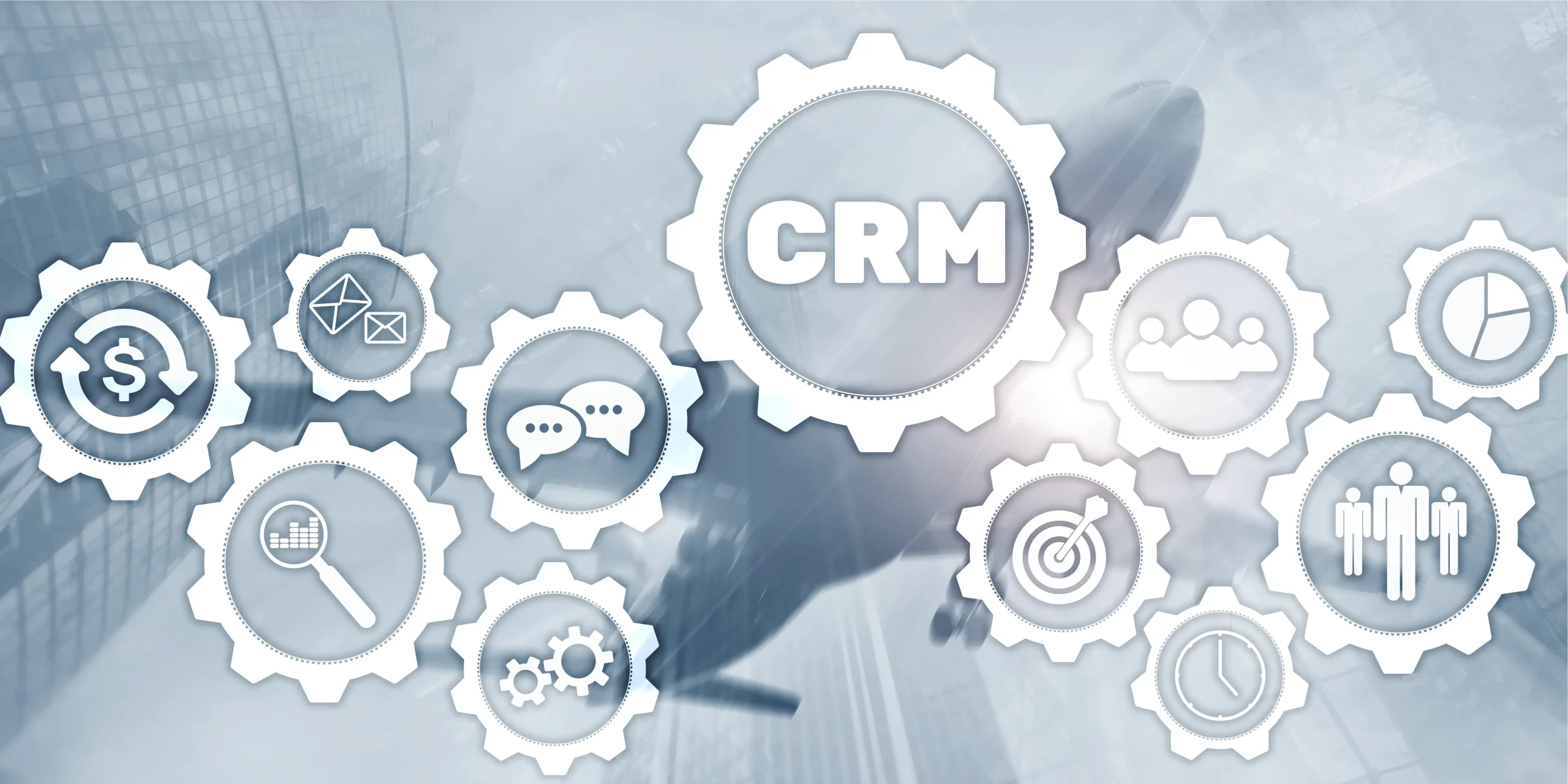
Today’s businesses are expected to deliver fast, accurate, and relevant service that aligns with each customer’s needs. This is where a CRM application plays a crucial role. It does more than store customer data. It helps companies make smarter, more measurable decisions that strengthen their customer experience strategy.
A CRM application enables businesses to understand customers more holistically, from interaction history to preferences. With the right system integration, service processes become more efficient and support a stronger customer experience framework.
Below is a complete overview of how a CRM application becomes a strategic solution for elevating your company’s customer experience.
1. Integrating Customer Data Across Multiple Channels
Before moving into advanced strategies, the most important foundational step is data consolidation. A CRM application acts as a centralized data hub that brings together information from different communication channels.
A CRM application collects data from voice calls, live chat, email, messaging apps, and social media into one easily accessible dashboard. This integration allows companies to:
- View complete customer interaction history
- Understand customer needs with accurate insights
- Build more relevant and personalized service strategies
For industries handling large communication volumes such as banking, multifinance, and insurance, this integration becomes the foundation for maintaining high-quality customer experience.
2. Accelerating Service Workflows Through Automation
A CRM application does more than store information. It helps optimize daily workflows through automation. With automation features, many operational tasks can be handled faster and with higher accuracy.
A CRM application enables companies to:
- Automatically route tickets based on issue categories
- Send real-time notifications when tickets approach SLA limits
- Use response templates for recurring questions
The combination of automation and integrated data helps companies reduce queues, resolve issues faster, and improve service accuracy.
With KPSG’s technology-driven solutions such as CXaaS and BPaaS, CRM automation can be integrated with contact centers, quality monitoring, and operational workflows.
3. Strengthening Personalization in Customer Experience
Personalization plays an essential role in building a strong customer experience. A CRM application offers deep insights into customer interaction patterns, preferences, and needs.
With this data, companies can:
- Create more relevant service approaches
- Recommend products or services that match customer needs
- Design targeted marketing campaigns based on segmentation
With the right personalization, customers feel more valued, leading to higher loyalty and greater satisfaction.
4. Improving Monitoring and Quality Management
To maintain high service standards, companies need consistent performance monitoring. A CRM application provides analytics and reporting tools that help businesses track service quality in real time.
Through the CRM dashboard, companies can monitor:
- Agent response time
- Completed and pending tickets
- Customer sentiment
- SLA compliance levels
At KPSG, the CRM application is connected with quality management modules, making agent evaluation easier and more measurable. This is essential for industries with strict service standards such as finance and insurance.
5. Supporting Strategic Decision-Making
Long-term insights are equally important in shaping business strategies. A CRM application stores historical data that can be analyzed to:
- Identify customer needs and behavior trends
- Determine priority channels for future investment
- Measure the effectiveness of marketing campaigns
- Evaluate areas of service that require improvements
With clear analytics, leaders can make decisions based on data instead of assumptions. This reduces risks and strengthens competitiveness in a dynamic market.
6. Accelerating Digital Transformation
A CRM application plays a critical role in digital transformation, especially when integrated with supporting technologies such as omnichannel platforms, AI chatbots, robocalls, and speech analytics.
With KPSG’s technology infrastructure, CRM can evolve into a broader digital ecosystem that includes:
- Integration with omnichannel contact centers
- Automation of interactions powered by AI
- Improved accuracy in data verification
- Faster cloud-based operational workflows
This transformation helps companies increase service speed while delivering a more modern and consistent customer experience.
Conclusion
A CRM application is not merely a tool for recording customer interactions. It is a strategic foundation for strengthening customer experience.
With its capabilities in data integration, automation, personalization, analytics, and digital transformation support, a CRM application becomes a comprehensive solution for companies that aim to enhance service quality and accelerate decision-making.
Businesses that maximize their CRM application can maintain operational efficiency, improve customer satisfaction, and remain competitive in an increasingly dynamic market.
KPSG as Your CRM Application Implementation Partner
With more than 30 years of experience, KPSG provides CRM application solutions that integrate seamlessly with contact centers, quality management, and services built on CXaaS and BPaaS.
KPSG supports companies in banking, insurance, multifinance, healthcare, automotive, and public sectors in optimizing customer data to deliver responsive and personalized service.
KPSG goes beyond delivering software. It offers end-to-end services, including implementation, system integration, quality monitoring, and professional workforce support to operate CRM efficiently.
Enhance your business’s customer experience with an integrated and professionally managed CRM application. Contact KPSG for CRM solutions that support long-term business growth.