


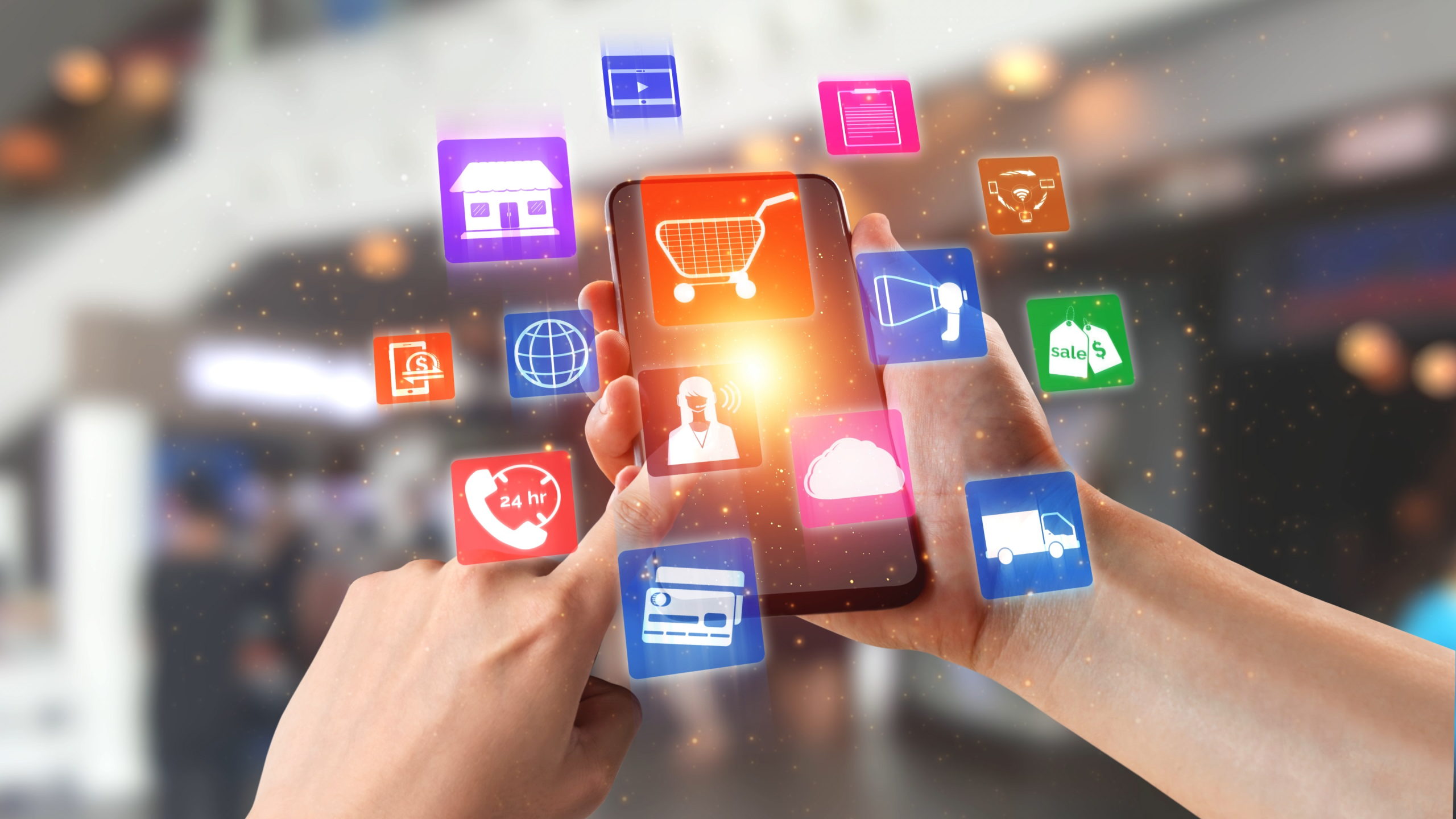
Omnichannel is a service and engagement approach that connects all customer communication channels into a single, unified system. This allows interactions to remain seamless even when customers move from one channel to another.
For example, a customer may start a conversation on WhatsApp, continue it via email, and finalize it over the phone without losing context. Omnichannel can be applied across customer service, retail, marketing, and sales. When implemented effectively, it delivers meaningful benefits such as higher customer satisfaction, improved operational efficiency, stronger sales performance, increased loyalty, and richer data insights to support decision making.
At its core, omnichannel works by synchronizing customer data and communication flows in real time. A successful omnichannel strategy requires a clear understanding of the customer journey, full channel integration, data driven personalization, mobile optimization, the use of AI, and continuous performance evaluation.
Today, omnichannel adoption can be seen across industries such as e-commerce, banking, retail, healthcare, and hospitality. In all cases, customers can move between channels without losing service history, data, or context.
What Is Omnichannel
Omnichannel is an approach that integrates all customer communication channels and interaction touchpoints into one connected system. This enables a consistent and continuous experience without requiring customers to repeat information.
With omnichannel, customers can move from one channel to another, such as from WhatsApp to email and then to a phone call, while being supported based on their full interaction history. This integration enables smoother, faster, and more personalized service.
Omnichannel is different from multichannel. Multichannel simply provides multiple channels that operate independently. In an omnichannel environment, all channels are connected and share data in real time, ensuring customer information is never lost during the service process.
Types of Omnichannel Implementation
Omnichannel can be applied in different business contexts depending on operational needs and objectives. The most common implementations include:
1. Omnichannel Customer Service
This approach integrates communication channels such as WhatsApp, phone calls, SMS, social media, website live chat, chatbots, and email into a single central dashboard. Agents can manage all conversations without switching between systems, enabling faster and more accurate responses. All conversation histories are stored, allowing issues and requests to be tracked through to resolution.
2. Omnichannel Retail
In retail, omnichannel connects online and offline shopping experiences. Customers can place orders through a mobile app, check real-time stock availability at nearby stores, and pick up items in person without waiting. Product returns can also be handled offline even if the original transaction occurred online.
3. Omnichannel Marketing
Omnichannel marketing leverages platforms such as email, SMS, push notifications, social media, and digital advertising with consistent brand messaging. Communication is tailored based on customer behavior and preferences, making campaigns more relevant and effective across all channels.
4. Omnichannel Sales
In sales operations, omnichannel unifies transaction points such as marketplaces, e-commerce websites, physical stores, and social commerce into a single system with synchronized inventory. Businesses can monitor orders and stock levels in real time while offering customers flexible purchasing options.
Benefits of Omnichannel
Companies that adopt an omnichannel strategy gain significant advantages in both customer experience and operational efficiency. Key benefits include:
1. Higher Customer Satisfaction
Customers enjoy a smoother and more personalized experience. There is no need to repeat questions or complaints because all information is automatically stored in the system. Fast and consistent service helps build trust.
2. Lower Costs and Greater Efficiency
Managing all communication in one platform reduces the need for multiple disconnected tools. Operations become more efficient, and agents can handle more interactions in less time.
3. Stronger Sales Performance and Customer Loyalty
Easy access, responsive service, and flexible purchasing journeys encourage customers to engage more frequently. Positive communication experiences increase the likelihood of repeat purchases and brand advocacy.
4. Better Analytics and Decision Making
An omnichannel system stores all customer interactions in a centralized database. Businesses can analyze customer behavior, needs, and sentiment to design more accurate service, marketing, and product strategies.
5. Consistent Brand Experience
Customers receive the same quality of service and messaging across all channels, whether through social media, websites, physical stores, or call centers. This consistency strengthens brand credibility and trust.
How Omnichannel Works
Omnichannel operates by integrating all communication channels and customer data into a centralized ecosystem. Every interaction, regardless of channel, remains connected without losing context.
The workflow typically includes:
1. Customers start interactions through their preferred channels
Customers can reach businesses via WhatsApp, website live chat, email, social media, phone calls, or other channels. All entry points are treated equally.
2. The system identifies customers and records interactions automatically
Once a conversation begins, the system identifies the customer using phone numbers, email addresses, social accounts, or customer IDs. All messages are stored in a centralized database.
3. Customer information is accessible in real time across all channels
Agents and AI systems can view conversation history, issues, preferences, and resolution status instantly, with no data overlap or fragmentation.
4. Conversations continue seamlessly when customers switch channels
For example, a customer who starts a conversation via Instagram DM and later calls customer service will be assisted by an agent who already understands the full context.
5. Interaction data is updated continuously
Every new message, ticket update, and agent response is recorded in real time, ensuring no loss of context during the service process.
6. Data is used for strategy improvement and personalization
Interaction data is transformed into insights such as customer sentiment, purchase preferences, complaint history, communication patterns, and satisfaction levels. These insights help businesses refine services, improve processes, and personalize future interactions.
In simple terms, omnichannel functions as a central intelligence hub that connects all communication channels, unifies customer data, supports agents, and ensures a continuous customer experience without disruption.
Effective Omnichannel Strategies
Technology alone does not guarantee success. Effective omnichannel implementation requires a clear strategy, including:
1. A Comprehensive Understanding of the Customer Journey
Businesses need to map every customer touchpoint, from brand discovery and purchasing to after-sales support and loyalty. Detailed journey mapping enables better omnichannel integration.
2. Full Integration of All Communication Channels
All digital and offline platforms must be connected so customer data can be shared seamlessly. Integrated systems reduce miscommunication and speed up response times.
3. Data Driven Personalization
Personalization goes beyond using customer names. It involves understanding preferences, needs, and transaction history to deliver relevant interactions.
4. Mobile Experience Optimization
Most customers interact with brands through smartphones. Websites, applications, chatbots, and notifications must be mobile friendly and easy to use.
5. Automation with Chatbots and AI
AI-powered automation handles repetitive inquiries, routes conversations to the right teams, and provides fast responses outside business hours. This also reduces agent workload.
6. Continuous Monitoring and Evaluation
Performance should be measured using indicators such as response time, ticket resolution rates, average handling time, CSAT, and overall customer satisfaction. Regular evaluation supports continuous improvement.
Examples of Omnichannel in Practice
Omnichannel is widely used across industries to deliver integrated customer experiences:
E-commerce
Customers shop through websites, marketplaces, or social media. Order status is checked via WhatsApp, and products can be picked up or returned at physical stores.
Banking and Financial Services
Customers contact call centers, continue conversations via email, and receive summaries through mobile apps with all service history stored automatically.
Retail
Membership programs and loyalty points apply both online and offline. Stock information in mobile apps matches in-store availability.
Healthcare
Appointments are booked via websites, reminders are sent through SMS, consultations take place via video calls, and prescriptions are delivered digitally.
Hospitality
Guests book rooms online, check in through mobile apps, and request room services via WhatsApp or in-room tablets within one integrated experience.
Across all scenarios, customers are free to switch channels at any time without losing service continuity.
Conclusion
Omnichannel has become the foundation of modern customer experience. By integrating all communication channels and customer interactions into one system, businesses can deliver journeys that are smoother, faster, and more personalized. Omnichannel adoption improves customer satisfaction, operational efficiency, sales conversion, and long-term loyalty.
Businesses that embrace omnichannel early gain a significant competitive advantage, especially as customers increasingly expect fast, consistent, and frictionless service across all channels.
Optimizing Customer Engagement with an Integrated Omnichannel Solution
Elevate your customer experience with a fully integrated omnichannel solution. Through KPSG’s Customer Engagement Management platform, businesses can connect all communication channels into one intelligent system to deliver faster, more personal, and more consistent service at every interaction point.