

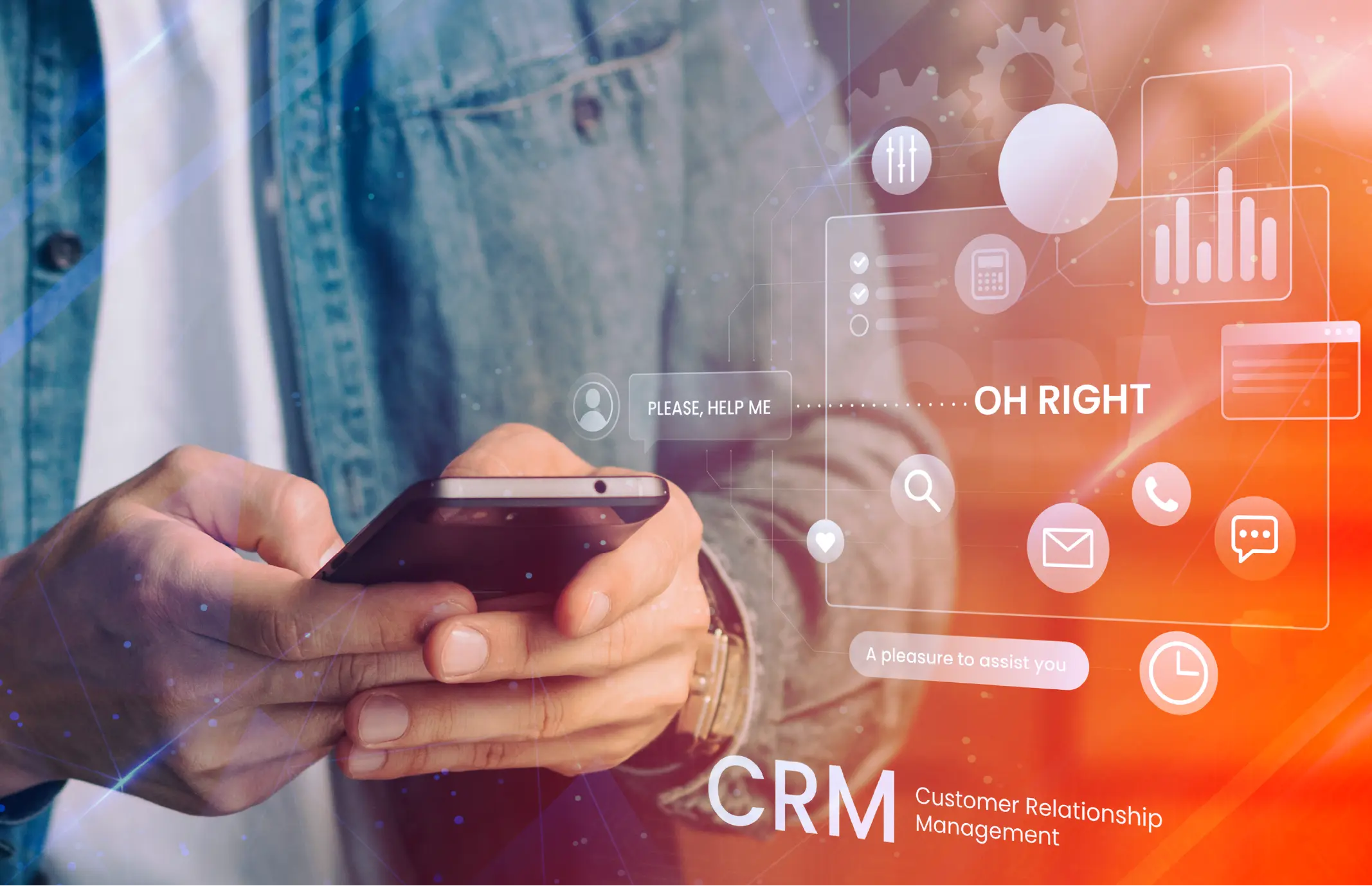
In modern business operations, customer relationship management can no longer be done manually or in silos. Large volumes of data, interactions across multiple communication channels, and increasingly rapid service demands require a structured system. This is where CRM applications play a crucial role, providing the foundation for integrated customer relationship management.
CRM applications are used not only by large corporations but also by small and medium-sized businesses, as well as operational units that handle large numbers of customers. These systems help companies manage customer data, monitor interactions, and support consistent, informed decision-making.
What is a CRM Application
CRM Application adalah sistem perangkat lunak yang dirancang untuk membantu perusahaan mengelola hubungan dengan pelanggan secara terpusat. CRM merupakan singkatan dari Customer Relationship Management, namely a structured approach to managing interactions between companies and customers throughout the business cycle.
Different from CRM concept as a strategyCRM applications function as operational tools that collect, store, and manage customer data within a single system. This data includes customer identity information, communication history, sales activity, and after-sales service.
With a CRM application, companies have a single source of data that can be used by various divisions, such as sales, customer service, and operational management.
Main Functions of CRM Applications in Business Operations
CRM applications have several main functions that are interconnected and form a single working system.
Customer Data and History Management
CRM applications enable companies to store customer data in a structured manner, including transaction and interaction history. This information helps companies understand customer needs more accurately and avoids managing disparate data across multiple systems.
Sales Process Management
In sales activities, CRM applications are used to track leads, sales process stages, and completed transactions. This system allows for transparent and consistent monitoring of the sales process.
Customer Service Support
CRM applications support customer service activities by recording complaints, requests, and follow-up actions. Every interaction is recorded so the service team can provide relevant and ongoing responses.
Data Analysis and Reporting
Data stored in CRM applications can be processed into operational reports and performance analyses. This information helps companies evaluate the effectiveness of services, sales, and other business processes.
Types and Examples of CRM Applications in the Business World
So, here are some examples and types of Customer Relationship Management applications in the business world.
1. CRM Software Based on Role and Function
Based on their roles and functions, CRM applications are divided into:
- Operational CRM: Has features that simplify business processes. This CRM is typically used by companies seeking prospects or potential customers.
- Analytic CRM: Features the ability to analyze data obtained directly from customers through various sources. Ideal for sales, marketing, and customer service teams.
- Collaborative CRM: Has features for integration between divisions or teams in a business.
2. CRM Software Based on the Technology Used
CRM applications are typically built using specific technologies, such as servers or data models. The following is a breakdown of CRM software based on their data models and servers.
- Cloud CRMKnown as software as a service (SaaS), its implementation utilizes data from cloud servers. Cloud CRM is a relatively affordable solution because it eliminates the need for hardware for data storage.
- On-Premise CRM: Companies store all data independently on their servers, which requires high operational and maintenance costs.
- Open Source CRMOpen-source CRM is free software with limited features. It's perfect for small businesses with limited budgets.
- Vertical CRM: Businesses design vertical CRMs for specific business sectors. Their features and functionality are highly specific to a single industry. For example, healthcare, real estate, hospitality, and so on.
- Horizontal CRM: Designed for a variety of industries, it offers extensive features for sales, marketing, and service, unlike vertical CRM. Horizontal CRM focuses on general, holistic business operations. Examples include HubSport and Salesforce.
CRM applications are a crucial component of business development. Every division and team within a business can collaborate using this technology.
CRM Applications in Various Industry Contexts
The use of CRM applications can be adapted to the characteristics of the industry and the company's business model.
In service companies, CRM applications are used to manage long-term relationships with clients. In organizations with a high volume of interactions, such as contact center and live chat, CRM acts as the main system for recording and managing customer communications.
CRM applications are also used in outsourcing operations and managed services, where service consistency and data transparency are critical. In this context, CRM helps ensure every customer interaction is documented and actionable to the same standard.
Strategic Benefits of Using CRM Applications
The use of CRM applications provides both operational and strategic benefits.
CRM applications help improve work efficiency by reducing manual processes and data duplication. This system also supports service consistency because the entire team references the same data. Furthermore, CRM applications help companies make decisions based on actual data, not assumptions.
In the long term, CRM supports business scalability because the system can be adapted to growth in the number of customers and operational complexity.
Challenges in CRM Application Implementation
Despite having many benefits, CRM application implementation also presents its own challenges. These challenges include user adaptation to the new system, integration with existing systems, and the quality of the data managed.
Without proper planning and support, CRM applications risk underutilization. Therefore, CRM implementation needs to be tailored to business processes and organizational capacity.
The Role of KPSG in Utilizing CRM Applications
In the context of operational solutions and business services, KPSG utilizes CRM applications as part of an integrated service support system. CRM is used to support the management of customer interactions, particularly in service and operational activities that require consistent recording and reporting.
As a provider of business solutions and operational services, KPSG views CRM applications not simply as software, but as part of a work ecosystem that helps maintain service quality and process transparency. The use of CRM in KPSG's operations supports team coordination, service performance monitoring, and structured customer data management.
Examples of CRM Application Implementation in Company Operations
In practice, CRM applications are used to record every customer interaction from initial contact to follow-up service. The stored data helps teams understand communication history and provide a response which is relevant.
CRM is also used as a performance monitoring tool, allowing management to view activity reports, service completion rates, and other operational indicators. Thus, CRM serves as a decision-support system for day-to-day business activities.
Conclusion
CRM applications are systems that play a crucial role in integrated customer relationship management. With functions spanning data management, sales support, customer service, and operational analysis, CRM helps companies execute business processes in a more structured and efficient manner.
In context operational solutions as carried out by KPSGCRM applications are part of a support system that helps maintain consistent service and customer data management. When used properly, CRM applications not only support daily activities but also help companies build a foundation for sustainable customer relationship management.