
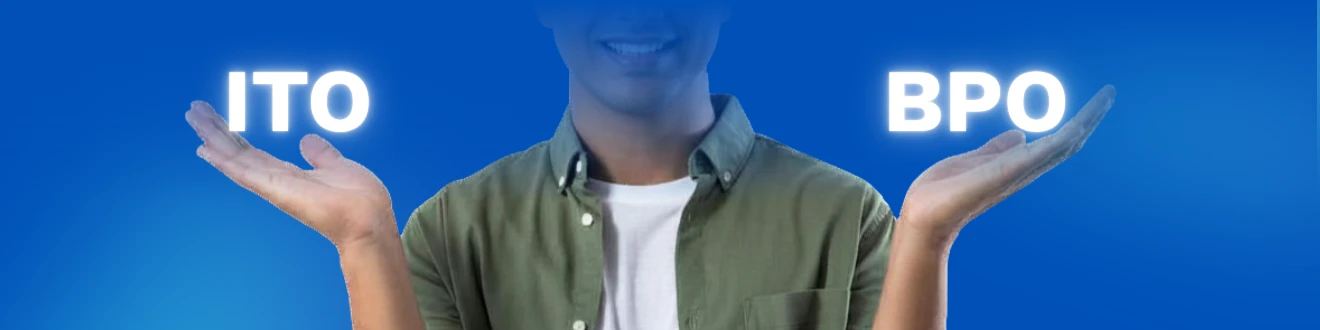
Many companies still compare ITO and BPO in the traditional way. ITO is positioned as the technology domain, while BPO is seen merely as a solution for cost efficiency and additional operational capacity. This perspective is becoming outdated. In the AI era, the question is no longer which model is absolutely superior, but which model is most capable of generating real business value.
Secara tradisional, Information Technology Outsourcing (ITO) berfokus pada pengelolaan infrastruktur, integrasi sistem, keamanan, aplikasi, dan dukungan teknologi. Sementara itu, Business Process Outsourcing (BPO) lebih dekat dengan eksekusi proses bisnis seperti contact center, back office, customer support, dan aktivitas operasional lainnya. Dulu, batas keduanya cukup jelas. Kini, AI justru membuat peran keduanya semakin saling terhubung.
Why Is the Old Approach No Longer Enough?
Masalahnya, banyak organisasi masih menjalankan automation sebagai proyek teknologi, sementara an outsourcing company tetap diposisikan hanya sebagai penambah kapasitas. Akibatnya, transformasi berjalan parsial. Teknologi ada, tetapi tidak benar-benar mengubah model delivery. Tim bertambah, tetapi kompleksitas tetap tinggi. Efisiensi pun sering berhenti di level incremental.
This is why the ITO vs. BPO discussion in the AI era needs to be viewed more strategically. ITO is indeed strong when companies need a solid technology foundation, such as system integration, data architecture, workflow automation, and digital governance. However, technology does not automatically solve operational challenges. Without well-structured processes and consistent execution, AI will only accelerate the chaos that already exists.
BPO Can No Longer Rely on Cost Savings Alone
On the other hand, BPO that only offers cost efficiency is no longer enough. The value of BPO is shifting. Companies need strategic BPO that can turn data into insights, combine AI with real workflows, and maintain process quality on the ground. This means modern BPO no longer only executes operational tasks, but also helps strengthen business outcomes.
This is especially important when companies want to improve customer experience, maintain service consistency, and respond more quickly to changes in demand. In this context, BPO is no longer just an execution vendor, but a partner that helps organizations create value.
The Winning Model Is an Integrated Model
So, which is better: ITO or BPO? The more accurate answer is: neither can truly win on its own. In the AI era, the strongest model is the one that combines both.
ITO provides the technology foundation, integration, and digital capabilities. BPO ensures that processes, governance, and delivery run consistently at scale. When the two are synergized, companies can build operations that are more standardized, more adaptive, and better prepared to scale.
Contohnya terlihat jelas di contact center. AI tidak akan memberi dampak maksimal jika script, escalation path, dan parameter kualitas masih berbeda-beda. ITO mendukung integrasi sistem dan monitoring. BPO memastikan workflow dan eksekusi operasional tetap terkendali. Hasil akhirnya bukan hanya efisiensi, tetapi juga kualitas layanan yang lebih stabil dan keputusan yang lebih cepat.
It Is Not About Choosing One, but Connecting Both
In the AI era, companies no longer need a rigid separation between ITO and BPO. What they need is an approach that can connect technology, process, and human execution within one operational framework. Therefore, the question is no longer ITO vs. BPO, but how both can be combined to create real operational excellence.
Pelajari selengkapnya bersama tim ahli dari KPSG.